

The unprecedented nature of flood impact on populations globally is a challenge for government organisations. Similarly, the consequences of inaction to address rapid urbanisation, unequal economic development, regulatory defiance, resource constraints, flood risk reduction policy gaps and other forms of systemic risk is coming at a huge cost to individuals, the private sector, governments and communities. The complex, uncertain, interrelated and multi-dimensional nature of flood risk necessitates the redevelopment of established urban centres of heritage, cultural and economic significance, which leaves behind residual risks that undermine the efforts of international humanitarian development initiatives and governments to address pre-existing risks. Using a qualitative approach involving semi-structured interviews from public sector organisations and international non-governmental organisation projects, this paper argues for a systemic redevelopment of institutional approaches to flood risk reduction. This is achieved through thematic analysis of participant views on institutional pressures and the nature of interacting systems and arrangements influencing flood mitigation responses and access to social and self-protection. This paper offers a framework that provides insights valuable for rethinking non-structural approaches to flood risk governance.
Introduction
Globally, disasters have hindered hard-won developmental strides of several nations and indicates a growing trend in vulnerability (UNDRR 2019; CRED 2023). Risks are emerging from changes in geomorphology, population density and land use, which has exacerbated flooding in urban areas (Andjelkovic 2001; Tierney 2012; Hallegate et al. 2013). The renewal of urban centres has necessitated the replacement of old infrastructures but this rarely keeps pace with rapid urban sprawl. While urban redevelopment is crucial, limited consideration of baseline information and construction-related activities may exacerbate flood effects. Disaster risk governance research explores the interconnected roles and complex cultural-cognitive, regulative or normative interactions between institutional actors, social processes and structures in varying settings including urban and regional sustainable development (Renn and Klinke 2015; Klinke and Renn 2018; Renn 2020). A key approach is to build ‘resilience’ – a term that describes the capacity and ability of individuals and communities to adapt, resist and recover from shocks (Renn and Klinke 2015; Djalante 2012; Hegger et al. 2016). While resilience is crucial in the ability to bounce back from the negative effects of hazards, Ben Wisner argues its interpretation as a concept that should ‘illuminate’ rather than ‘obscure’ (Ahmed et al. 2020). Despite the efforts by governments to localise international frameworks, there is limited emphasis on defining a path for institutional discourses on flood risk governance. This widens vulnerability gaps globally, and specifically in the context of Africa (Wisner et al. 2014; van Niekerk 2015; Toinpre 2020).
Disasters are not natural; they are products of hazards and vulnerability that develop over time due to complex interactions between human and natural spheres (Cutter et al. 2015; Kelman 2025). Hence, as systemic effect of disasters and climate change undermine existing social, economic and environmental pillars of sustainable development, reducing systemic risk can promote resilience and sustainable development (UNDRR 2022). This study identified the root dimensions of flood effects and explored institutional pressures necessitated by the desire to attain better flood risk governance. This study took a constructivist philosophical approach using semi-structured interviews with people in the south-eastern region of Nigeria where flooding and gully erosion are high. The framework developed from this study offers insights for researchers and policymakers to design and develop initiatives that facilitate multi-sectoral responses to flood risk mitigation.
Literature review
Disaster risk governance challenges in developing countries
Quarantelli (2003) showed that just as developing countries have their share of hazard effects, developed countries are also hit hard resulting in increased rates of urban vulnerability. Hazard events include bushfires, cyclones and floods in Australia (Dowdy 2020; Davy and Sarre 2020), floods in New Orleans in the USA (Dixon et al. 2006), earthquakes in Japan, notable in Fukushima that resulted in a nuclear power plant accident (Ohnishi 2012) and the 2004 Indian Ocean tsunami that affected the Asia-Pacific region (Birkmann et al. 2010). Severe droughts and floods have also affected Mozambique, South Africa, Tanzania and Nigeria on the African continent (Nkwunonwo 2016; van Niekerk 2015) with consequences necessitating a shift in the traditional forms of response to disaster risk management (UNDRR 2019; Paton and Buergelt 2019). These changes are evident in the commitments by countries to the 2030 Agenda on Sustainable Development,1 New Urban Agenda,2 Agenda for Humanity,3 Paris Agreement on Climate Change4 and the Sendai Framework for Disaster Risk Reduction5 implementation (Twigg 2015; Renn et al. 2018; UNDRR 2019). These frameworks have translated into national, regional and local level policies, initiatives and programs to forge a clear path for actualising resilience.
According to Wisner et al. (2014), Twigg (2015) and Toinpre et al. (2018), vulnerability has been associated with a lack of access to power, structures and resources that influences devolution of power and risk prioritisation. Reflectively, issues such as political under-representation of vulnerable groups, societal attitudes, resource constraints and outdated land use and land management policies persists (Wilkinson et al. 2014; Toinpre 2020). These lags have necessitated the need for good risk governance that depends on the right balance of institutional commitment from governments and other stakeholders in DRR (Renn 2015; van Niekerk 2015; Hegger et al. 2016). Founding and contemporary studies in disaster risk echo the ‘unnaturalness’ of disasters as a product of anthropogenic interactions (Mileti 1980; Quarantelli 1986; Holling 2001; Toinpre 2020). Limited capacity for communities to anticipate, prevent, mitigate or respond to risks also extends timeframes required for communities to rehabilitate or bounce back from shocks. Structurally, the use of engineering works can contain floodwater through reservoir storage, reduction of runoff velocity, dam spillways to regulate the flow of water downstream or levees, culverts and dykes (Twigg 2015; Andjelkovic 2001). Conversely, flood risk mapping, flood insurance, flood sensitisation campaigns, land use zoning, flood vulnerability assessment, flood modelling, forecasting and early warning etc. can be supplemented to inform design, development, use and maintenance of structural measures (Andjelkovic 2001; Jha et al. 2012; Twigg 2015).
The environmental features of some locations increase vulnerability. These include impermeable surfaces, saturated land and soil infiltration capacity. Flood intensities may be influenced by river basin characteristics (i.e. area of basin, aspect of altitude, bifurcation ratio) and network characteristics (i.e. nature of drainage patterns) (Andjelkovic 2001). Due to excessive rainfall, heights of floodwater and area of inundation may result in longer floodwater recession times. Figure 1 shows how recovery is largely influenced by slope, soil and other load sediment characteristics.
Figure 1 suggests the use of bio-based construction materials such as bamboo; bio-retention systems; natural vegetative buffer measures such as grass filter strips, mulching, terracing and sedimentation basins as well as other runoff farming techniques using crop varieties at various slopes and gradients as ‘best management practices’ (Prosser and Karssies 2001; UNEP 2023). Although these and other flood risk mitigation actions exist, constraints that are institutional and climate change related add to the challenges for governments (Toinpre 2020), academia, environmental management experts, value engineering teams, construction and project management specialists and hydrologists to foster risk reduction, adoption and adaptation strategies (Andjelkovic 2001; Gajendran et al. 2024; Siva et al. 2024).
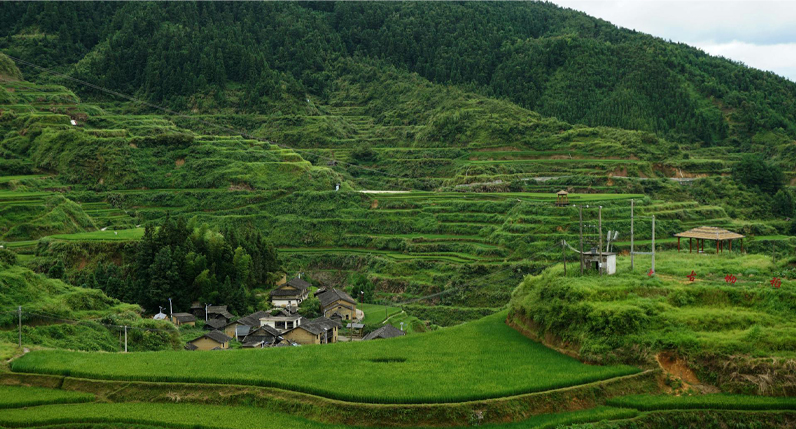
Figure 1: Agro-based technique to reduce stormwater runoff.
Source: Pexels©, free to use licence
Figures 2 and 3 show other watershed and erosion control treatments such as erosion control blankets and turf reinforcement mats used in transportation (i.e. bridge or road) infrastructure construction to reduce flooding and water damage.
On the African continent, hydrometeorological hazards are common. However, floods, droughts and cyclones are prevalent (van Niekerk and Wisner 2014; CRED 2023). Floods have affected millions of people around the globe (CRED 2023; UNDRR 2023) and these events have been associated with causes such as rapid urbanisation and limited capabilities to predict, adapt and recover from shocks (Pelling and Wisner 2012; Jha et al. 2012). Other factors have also been associated with deteriorating drainage infrastructure and increased rates of development in flood-prone locations (Nkwunonwo et al. 2016).


Figure 2: Highway slope channelling and stabilisation.
Source: Figure 2(a): Pexels© and 2(b): Pexels©, free to use licence
Flood vulnerability and effects on urban environments: an African context
Trends in urban growth especially in parts of Asia and Africa have been influenced by urban risk reduction. By 2050, it is predicted that around 2.5 billion people will be urban dwellers and 90% of this growth will be on the Asian and African continents (UN-DESA 2018). Demographic changes necessitate changes for people, development and the environment (Nagendra et al. 2018). These factors exacerbate exposure to climate change in terms of embodied and operational carbon emissions in the built Trends in urban growth especially in parts of Asia and Africa have been influenced by urban risk reduction. By 2050, it is predicted that around 2.5 billion people will be urban dwellers and 90% of this growth will be on the Asian and African continents (UN-DESA 2018). Demographic changes necessitate changes for people, development and the environment (Nagendra et al. 2018). These factors exacerbate exposure to climate change in terms of embodied and operational carbon emissions in the built environment (Siva et al. 2024). Others include biodiversity loss and environmental degradation particularly in countries in Africa such as Egypt, South Africa, Tanzania, Uganda and Sierra Leone (DeFries et al. 2010; Li et al. 2021; Prasad et al. 2022).
The African continent is particularly vulnerable to the effects of climate change as it experiences high temperatures in some regions (IPCC 2022; Li et al. 2022). Patterns of temperature and precipitation are also changing due to climate change with the increased magnitude of floods, drought and heat waves (Henderson et al. 2014, 2017). This is evident through hydrometeorological hazards that swept through Mozambique, Malawi and Madagascar affecting over 2.3 million people (CRED 2023). Thus, the effects of hydrometeorological hazards are being experienced more in municipal centres, affecting the livelihoods of people in those areas and socio-economic development (Ogbonna et al. 2020).
Exploring floods in Nigeria
Nigeria has 2 major rivers, the River Niger and the River Benue. Although the nature and causes of flooding in Nigeria have been widely discussed (Obeta 2014; Agbonkhese et al. 2014), these discourses have predominantly focused on flood risk mitigation using flood risk assessment maps and geospatial analysis tools focusing on communities and geopolitical regions.
In the past decades, Nigeria has experienced adverse effects of flash flooding, riverine flooding and urban flooding. Floods in 2012 caused widespread social, economic and environmental damage in the country (Federal Government of Nigeria 2018). As nearly 50% of the population lives in urban areas, there is high demand for public infrastructure services to compensate for increasing migration pressures (Ogbonna and Albrecht 2015). According to the world risk report cumulatively represented over a 10-year period (see Figure 4), Nigeria has performed relatively well in terms of vulnerability reduction. The peak level of vulnerability was at 67.39% in 2015, while the lowest level was at 63.06% in 2022. Conversely, susceptibility was at the lowest point at 49.50% in 2020 but increased by 7.36% in comparison with 2025 records signifying more effort is required to strengthen Nigeria’s strategic, operational and tactical approaches to risk reduction (Federal Government of Nigeria 2018).
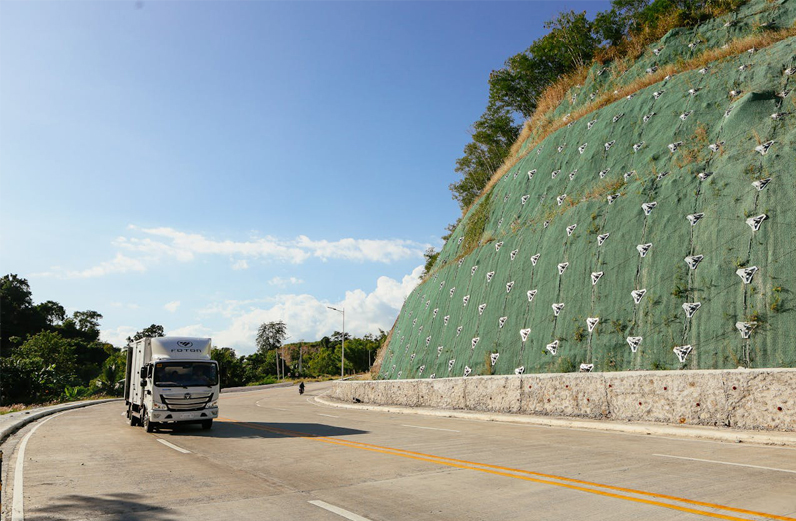
Figure 3: Vegetative filter strips/turfs for flood and erosion mitigation.
Source: Pexels©, free to use licence
Despite commitments to international frameworks, studies suggest the need for reinforced measures for flood risk mitigation to address vulnerability gaps (Federal Government of Nigeria 2012; Obeta 2014). The Nigerian Flood Recovery and Mitigation Assessment Report based on household surveys from 6 states (Anambra, Bayelsa, Delta, Jigawa, Kogi and Nasarawa) reports that 19.7% of respondents said that they were aware of government alerts about flood warnings and 8.3% said they were not able to evacuate before the floods (Federal Government of Nigeria 2023). The findings show that 89.6% of respondents indicated that they did not receive support during the floods compared to 1.5% of affected people who did receive support (Federal Government of Nigeria 2023). In the same report, when respondents were asked about future risk mitigation measures to be put in place, 62.9% reported not implementing any measures to mitigate future flooding. 25.5% reported construction and cleaning of drainage systems, and 10.7% use of early warning messaging systems to create awareness (Federal Government of Nigeria 2023).
As shown in Table 1 showing rainfall distribution across some selected cities, parts of the country usually experience excessive rainfall during the rainy season. Flood occurrences in cities show multi-sectoral challenges (Aderogba 2012; Olotu et al. 2015; Weddawatta and Ingirige 2012). As cities become locations for commercial activity, there is more pressure on public sector organisations to provide critical infrastructure services to address urban sprawl. This necessitates an institutional approach to flood risk governance.
Disaster risk governance architecture in Nigeria
Disaster risk governance has been widely acknowledged as a concept guiding stakeholder and multi-sectoral interactions and approaches for reducing risks (Hegger et al. 2016; Li et al. 2022; van Niekerk 2015; Renn 2015). One of the major disaster risk reduction approaches of the Federal Government of Nigeria has been to establish the National Emergency Management Agency (NEMA) by Act 12 of 1999, as amended by Act 50 of 1999.6 NEMA in Nigeria has a mandate to coordinate stakeholder activities, plans and programs as well as to research risk reduction (Federal Government of Nigeria 2012). The National Disaster Risk Reduction Action Plan (2006-2015) was also developed in response to the implementation of the Hyogo Framework for Action 2005-2015 (Federal Government of Nigeria 2018; UNDRR 2005) to identify hazards and assess associated costs, enhance public awareness, train, educate and enhance capabilities of State Emergency Management Agencies (SEMAs), Local Emergency Management Authority (LEMA) and communities (Federal Government of Nigeria 2012).
Figure 5 shows the interacting coordinating mechanisms (vertical and horizontal) between NEMA, the State Emergency Management Agency and the Local Emergency Management Authority. Two approaches used to coordinate and manage disasters are strategic and operational (Federal Government of Nigeria 2010). The strategic approach involves integration of emergency management programs with other activities of government and stakeholders while the operational approach encompasses the procedures involved in translating disaster risk management plans to field-level operations and activities (Federal Government of Nigeria 2018). These are reinforced by vulnerability and capacity analysis and vulnerability and risk assessment mapping. The Emergency Operations Centre is where the Incident Command System is activated to coordinate response (Federal Government of Nigeria 2018).
Existing institutional efforts in Nigeria
Organised emergency and disaster management in Nigeria dates to 1906 when the fire brigade took on the statutory functions of coordinating humanitarian services during emergencies (Federal Government of Nigeria 2018). Although, according to the policy report there were no specific, well-formed institutional response mechanisms, this is because disaster response was considered a security issue (Federal Government of Nigeria 2018). This led to the establishment of the National Emergency Relief Agency in 1976 and NEMA in 1999.
Existing policies and guidelines for flood risk governance include the National Environmental Wetlands, Riverbanks and Lake Shores) Regulations, S.I. No. 26 of 2009, the National Environmental (Watershed, Mountainous, Hilly and Catchment Areas) Regulations, S.I. No. 27 of 2009 and the National Environmental (Soil Erosion and Flood Control) Regulations, S.I. No. 12 of 2011 (Federal Government of Nigeria 2018).
While existing initiatives have been operationally critiqued, there are still avenues to consider updating existing frameworks and mechanisms. As identified in the National Capacity Assessment Report (Federal Government of Nigeria 2012), this has been due to lags in evacuation and distribution of relief materials that has undermined existing efforts. Nonetheless, it may be unjustifiable to affirm that these institutional lags are responsible for the frequency of floods and their effects. It is crucial to examine institutional interactions that can identify, assess and address flood risks. This approach enables researchers and policymakers to unravel and develop mechanisms for social protection and self-protection as exemplified in the Pressure and Release Model, Access Model and Sustainable Livelihoods approach to development (Wisner et al. 2014).
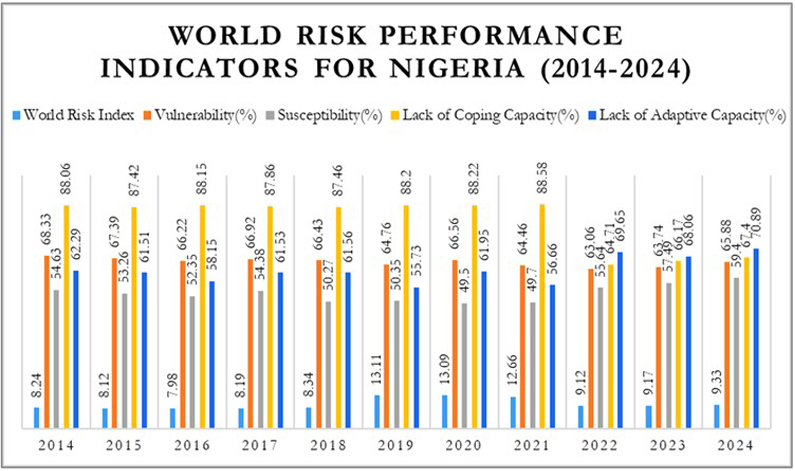
Figure 4: World risk performance indicators for Nigeria.
Table 1: Flood-related data in Nigeria.
| Location | Mean width (metres) | Highest experienced height (metres) | Mean frequency (per annum) | Mean longest duration (days) |
| Lagos metropolis | 747.00 | 11.88 | 10 | 25 |
| Abuja (FC) | 163.00 | 6.20 | 5 | 4 |
| Ibadan | 521.45 | 9.20 | 3 | 7 |
| Owerri | 124.04 | 8.21 | 5 | 7 |
| Asaba | 125.00 | 7.88 | 6 | 10 |
Source: Adapted from Aderogba (2012), p.6
Methodology
Data collection
Qualitative research involves worldviews and assumptions that inquire into the meaning individuals ascribe to a social problem. It involves the use of interviews to gather data in a natural setting (Creswell and Poth 2016; Creswell and Creswell 2017). This research is based on an extensive literature review and analysis of data obtained from 41 semi-structured interviews and a focus group discussion. However, for the purpose of the study, the unit of analysis was organisations. Seven of these organisations were public sector organisations and 2 were international non-government organisation projects.
Ethics statement
A human research and ethics committee at the University of Newcastle Australia received and approved (H-2018-0015) application for the data collection for the study.
Institutional theory and its prowess in institutional analysis: approach to inquiry
While quantitative methods may rely on a large quantity of data for representativeness and validity for a given population, qualitative methods are based on people’s experiences and allow for smaller sample sizes using interviews, focus group discussions and document analysis (Creswell and Creswell 2017; Creswell and Poth 2016). As Yin (2009) suggests, case studies are suitable ways to explain and describe studies. Creswell and Creswell (2017) agree that case studies are a suitable form of inquiry, design and a unit of analysis. A phenomenological case study approach was used to obtain rich qualitative data encapsulating the experiences of participants in relation to flood risks, risk reduction and other interventions.
Data was coded using NVivo software and a 2-cycle (i.e. provisional and structural) analysis aided the identification and description of nodes depicting pressures and institutional interactions that supported framework development. Institutional theory is a theory acknowledged for shaping organisational behaviour and institutional outcomes (DiMaggio and Powell 1983). Having gained prominence, critiques have argued its use as a supplementary theory, its application in disaster risk management (specifically in flood risk governance studies) using the Pressure and Release Model, Access Model and Sustainable Livelihoods approach to development (Wisner et al. 2014; Toinpre et al. 2018; Toinpre 2020). Thus, by focusing on analysis at this level, actors can better understand decision-making processes while having dissimilar goals (Wooten and Hoffman 2017).
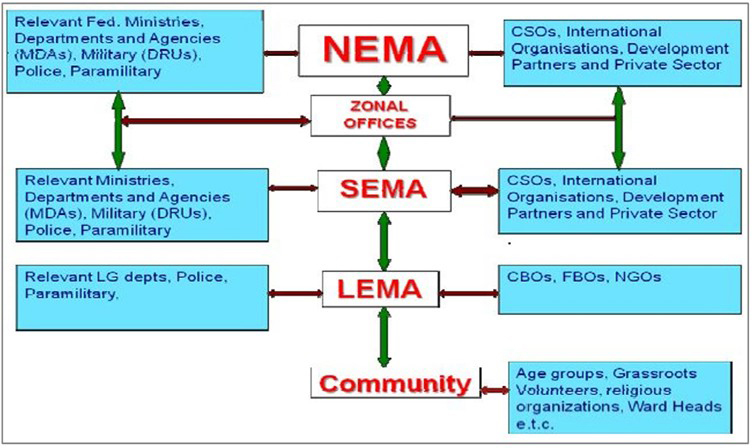
Figure 5: Nigeria’s national emergency management coordination mechanism.
Source: Federal Government of Nigeria (2010), p.21
Sampling information
A non-random purposive sampling technique was employed. This involved the identification of participants whose statutory roles cut across disaster risk reduction and Climate Change Adaptation (CCA) policy design as well as planning and implementation. The justification was to involve participants that were able to provide the best information based on their experiences (Matthews and Ross 2014; Kumar 2011). Table 2 shows the number of respondents within each sampling level.
Study area and risk profile
The south-eastern part of Nigeria comprises 5 states of Abia, Anambra, Ebonyi, Enugu and Imo. Imo State has a land area of about 5,100 km2 with an estimated population of 4.8 million (Okoro et al. 2014). Imo State was categorised as a ‘Category B’ state based on the severity of floods in 2012 (Obeta 2014). The state has a tropical rainforest climate with wet (April to September) and dry (October to March) seasons. It experiences a period of ‘cold dry dusty winds’ between December and February (Emeribeole 2015).
Imo State falls within the Niger Delta region and its age and economic history makes it one of Nigeria’s oldest vibrant commercial centres (Duru and Chibo 2014). The state’s capital city, Owerri, is characterised by 2 major rivers: River Nwaorie and River Otamiri (Okoro et al. 2014; Emeribeole 2015). Owerri was selected for this study given its geographic characteristics and river drainage morphology as the area surrounding this urban centre is characterised by gully erosion and urban flooding.
Findings
Risk governance is complex as it encompasses pre-assessment, characterisation and evaluation, appraisal, management and communication. This study analysed organisations that can be characterised as a disaster risk reduction organisational field. Institutional pressures were derived from the expectations and demands depicting the regulative, normative and cultural-cognitive elements. Participant responses reflected their experiences working in an organisation that has been shaped by their personal, professional and disciplinary ethics and pre-existing social and cultural perceptions.
Table 2: Sampling information and organisation characteristics.
| Governance level | Specialisation | No. of respondents |
| Federal level |
Emergency management, coordination and disaster risk reduction policy intervention | 2 |
| Environmental standards and regulatory enforcement | 3 | |
| River basin management | 6 | |
| State level |
Urban development planning | 5 |
| Environment and natural resources management | 3 | |
| Public utilities and infrastructure | 10 | |
| Emergency management coordination and DRR policy intervention | 1 | |
| Local level | City Council development | 5 |
| International non-governmental funded projects | Disaster risk reduction/Climate Change Adaptation flood, erosion, watershed management and rural access mobility | 6 |
| Total | 41 |
Source: Adapted from Aderogba (2012)
Institutional pressures (see Table 3) were derived from the expectations and demands of participants. In terms of development planning, participants called for a review of approaches towards urban renewal projects. Some concerns emanated from limited attention to revisiting existing city masterplans to understand the terrain, changes in development patterns and initial underground channels that conveyed stormwater. Some of these channels were allegedly altered in the course of construction works and had led to flooding. Participants suggested that preliminary risk assessments, baseline studies or environmental audits could have identified affected areas and resulted in unclogging or updating drainage designs to address urban and flash flooding.
One respondent said:
The causes of flooding in Owerri are numerous. But one of them is the inadequate drainage patterns or systems. When Owerri master plan was drawn, the number or concentration of buildings in Owerri was not how it is today. So as time went on, development, other activities have come up, and presently it happens that the drainage system that is supposed to be conveying water from one place to another is no longer adequate compared with the number of concentration of buildings and most of those drainage systems have been damaged.
Respondent 11
Another aspect was to update land use management and zoning plans required to advise citizens about avoiding development in flood-prone areas. These areas require funding and inclusion in budgets and sometimes where these considerations are not included, it creates new risks for contractors, engineers, site managers and project specialists executing city development or urban renewal projects. On the other hand, timely budget approvals and funding mechanisms that provide appropriate on-site vehicles, regular servicing and maintenance of monitoring of compliance fleet, on-site bonuses, upgrading tools, equipment and software for site analysis and other welfare packages are crucial to motivate them to perform their statutory functions.
This is reflected in one participant’s response:
The signing of budgets on time is a very important factor because they have their financial year and construction is something that should take a minimum of 6 months. Most times where they award the contract, they will expect the contractors to finish under two months. Now they have not signed the budget, and they have not brought out appropriation … You can also imagine getting to terrains that are so bad, I cannot use my Camry vehicle there, it has to be a Hilux, so when we cannot move any further sometimes we take a rough estimate, which is wrong.
Respondent 13
Critical issues such as limited consultations and inclusivity in decision-making also resulted in conflicts that hinder project implementation. These range from project site inspection at the initial stages of the project to completion and commissioning, as indicted in the following:
The government should go through due process and allow professionals in the ministry to be involved. When they do so, the problem of flooding will be a thing of the past. A way forward is involving us in all the construction projects so that when contractors are making mistakes we can stop them.
Respondent 23
According to participants, this requires continuous commitment and involvement of public sector organisations in supervision, monitoring and evaluation exercises of ongoing projects to ensure the quality of construction. This will require continuous professional development to update officials on best practices through training, workshops, courses and certifications. Capacity-building programs and continuous professional development programs are crucial for promotion within the sector. One response was:
We dearly need workshops and other competency-based programs. We have manpower needs, and this is what we have been lacking for years now. Only few people can now do this, but they have to fund themselves … there is an annual performance and review form(s) we fill every year that captures target, performance, impediment …
Respondent 28
Participants suggested that mindset shifts could be achieved through inter-organisational networking and collaborative partnerships where knowledge can be shared among professionals who have gained unique skill sets.
Table 3: Institutional pressures for flood risk mitigation.
| Expectations and demands | Nodes generated | Sources | References |
| Development planning and control | 3 | 5 | |
| Funding | 18 | 25 | |
| Professional development | 8 | 11 | |
| Inter-organisational networking | 10 | 14 |
Discussion
Demystifying the influence of institutional pressures on flood risk governance
While risks may be intensive, extensive or recurring, their manifestations exist in socio-cultural, economic and political interactions that can exacerbate vulnerability (Holling 2001; Wisner et al. 2014; UNDRR 2019). Research including Twigg (2015) and Wisner et al. (2014) suggests that these factors shape societal attitudes and influence the environment that people live and work in.
As illustrated in Figure 6, the Pressure and Release Model (Wisner et al. 2014) frames vulnerability progression from root causes, pressures and unsafe conditions to disasters. The model shows the interconnectedness between micro-forces that are socially constructed (Oliver-Smith et al. 2017). Thus, the need to define societal systems and how organisations can manage and respond to multiple and conflicting logics (A in Figure 6). As defined by Scott (2013), ‘institutions are cultural-cognitive, normative and regulative elements that together with associated activities and resources, provide stability and meaning to social life’. Institutional actors create, maintain or disrupt institutions and collectively redefine, reconfigure and question the status quo through institutional work (Suddaby et al. 2016). Organisational fields enable open dialogues, reinforce codes of conduct and reassess values, norms and expectations (Greenwood et al. 2002) (B in Figure 6). These aspects shape the dominant institutional logic, which influences organisational field response (i.e. strategic, operational or tactical) and the rationality behind people living in high-risk locations (C in Figure 6). By integrating regulative, normative and cultural-cognitive elements into existing strategies, policies and programs as enshrined in institutional arrangements, statutory organisations can offer better development planning and funding diversification. Oftentimes, the less obvious underlying structural and systemic issues that affect people’s livelihood sources as well as access to credible information necessary for their protection is influenced by these interactions (IRGC 2018; UNDRR 2019; UNDRR 2022).
Inflationary pressures due to the scarcity of necessities creates cost-of-living pressures (World Economic Forum 2023). Wisner et al. (2014) describe this as a marriage between the natural and social where the separation of both represents a failure to understand the burdens posed by hazards (Wisner et al. 2014). Both aspects necessitate the critique of economic globalisation, the principles of neoliberalism manifested through structural adjustment and other human capital development programs implemented in developing countries (van Niekerk and Wisner 2014; Twigg 2015). These discourses focus on addressing risk governance from the notion of ‘human security’ and ‘social protection’ as well as structural deprivation and economic hardships posed by endemic systemic issues and disasters. Hence, the focus is on undertaking development in a manner that respects people’s freedoms, geographical sovereignty and fundamental human rights (Altman 2004; Sen 2014).
A major frontier for this has been the United Nations Office for Coordination of Humanitarian Affairs (UN-OCHA). While these issues imply a need for strategic steps towards human empowerment, funding through access to flood protection incentives, credible and reliable income generating schemes, skills, training and competency building remains a crucial aspect for governments as well as humanitarian and civil organisations (D in Figure 6).
Just as resourcing for disaster risk reduction is crucial, empowerment through human capital development is equally relevant. This approach requires access to resources for self-help, insurance and other personal and collective measures. As ‘access to safety’ is important to reduce vulnerability, it is also important to distinguish between ‘social protection’ and ‘self-protection’. The former is provided by entities that operate above the household level, while the latter is provided by and for the household. Both aspects include food security programs for wellbeing and affordability to adopt preventive measures (Wisner et al. 2014; Twigg 2015). The Food and Agriculture Organisation7 and the United Nations International Children’s Emergency Fund8 have been a reliable resource for food security by tackling food shortages, malnutrition and ameliorating hazard effects. Additionally, non-monetary interventions such as safety nets and social capital are crucial for shaping and facilitating institutional responses (E in Figure 6). Finally, risk communication is an interactive process, and it spans campaigns, advocacy and education to debates (National Research Council 1989; Twigg 2015). Thus, as there is no one-way formula or approach for communicating risks, it is crucial to include stakeholders in conversations about flood risk (Balog-Way et al. 2020). Interorganisational collaboration and networking, and professional development, as identified in the nodes generated, can be fostered through the identifying and harnessing resources from statutory organisations within the organisational field.
Although, collaborative digital platforms and interactive media tools, apps, maps and other communication tools are used in risk communication, source credibility is important, and authorities could implement cyber security and data protection initiatives to ensure the safety of communities and individuals (F in Figure 6). These approaches will assist governments to assist households to implement and take responsibility to reduce their risks while operationalising existing frameworks to harmonise and strengthen institutional disaster risk reduction efforts at larger scales. Subsequently, contemporary approaches that engage stakeholders in flood risk mitigation approaches such as the Fuzzy Cognitive Mapping (FCM) and Group Model Building simulations to support decision-making in events of cloudburst rainfall can be adopted (Dartée et al. 2023; Lopez-Gunn et al. 2023; Jørgensen et al. 2023).
Conclusion and recommendation
Disaster risk governance is multi-faceted, and given its complex nature, it is crucial to clearly define and examine causative factors and the influence of institutional interactions at all levels. As disaster risks are socially constructed, it is important to identify residual and emerging risks. This study identified coercive, normative and mimetic pressures that are inherent in public sector organisations and international non-government organisations. It was found that interactions are driven by the legitimacy-driven nature of organisations to access funding streams that create platforms for collaborative flood risk reduction projects. The study considered the city of Owerri because of its geographical features, institutional resilience and urban redevelopment initiatives. While considering floods as a single hazard, flood risk governance should consolidate on multi-hazard design and development of capacity and capability development frameworks and resourcing mechanisms to protect individuals and communities. These frameworks need to address the rights and obligations of stakeholders and organisations in risk reduction activities and engagement.
Although disaster risk management is well received in most developing countries, issues such as limited buy-in from the private sector persists. As Nigeria has been a member of the Global Facility for Disaster Risk Reduction and Recovery’s consultative group, the country’s position puts it at the forefront of charting a long-term policy and strategic direction for multi-hazard risk mitigation and framework implementation. As a signatory to the Paris Agreement on Climate Change9 and the Sustainable Development Goals,10 emphasis is on reinforcing the attainment of sectoral targets and indicators to foster health, industry and infrastructure development; decent work and economic growth; inclusivity; climate action; land management and partnerships to achieve them. Initiatives such as the World Bank’s National Erosion and Watershed Management Program11 and Sponge-Cities initiative in China are noteworthy in this implementation. Examples of good risk governance practices and lessons management are the STAR-FLOOD project in Sweden, Belgium and Netherlands.12 Other reports such as the Views from the Frontline Beyond 2015,13 Global Assessment Report,14 Intergovernmental Panel on Climate Change (IPCC)15 and International Risk Governance Council (IRGC)16 can be localised.
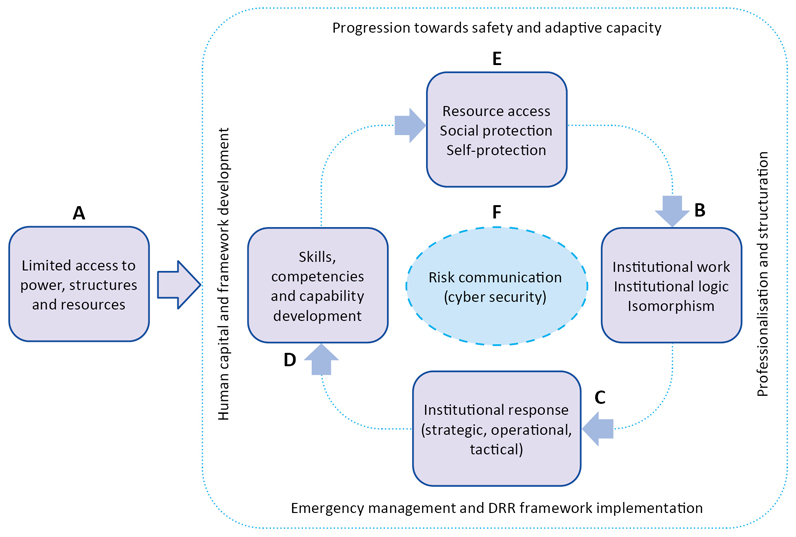
Figure 6: An institutional framework for flood risk governance.
The Addis Ababa Action Agenda17 has played a key role in outlining fiscally sustainable and nationally appropriate measures to realign financial flows and in reducing structural risks to inclusive growth. With continuous support from the United Nations Development Program, United Nations Environment Program and African Development Bank, funding mechanisms can be established to address underlying structural issues providing support for the public sector while making concerted efforts towards exacerbating flood vulnerability and impact. As one of the early adopters of disaster risk reduction in Africa, Nigeria needs to consider examining issues that undermine government efforts to empower and protect citizens from the underlying causes of vulnerability while considering sustainable development. Hence, a need to harness skills, competencies and values in a manner where people and organisations can be harmonised as a ‘disaster risk reduction organisational field’. As identified in countries such as Australia, issues of duplication of risk reduction efforts, as identified in its Royal Commission into National Natural Disaster Arrangement Report of October 202018 and the updated most recent version, can be addressed to harness resources. While this study identified the need to adopt a robust institutional approach to flood risk mitigation, it primarily considers rethinking an institutional approach and recommends further research considering other approaches. Such approaches may require pragmatic philosophies involving larger sample sizes conducted across states to simulate or predict the effect of intervention ranging from ‘acceptable/satisfactory’, ‘low/minimal’ or ‘limited response/intervention’ by statutory organisations on critical infrastructure and other societal systems. This is crucial for enhancing deployment of governance capabilities and has the propensity to create awareness as well as in the design and management of robust strategies for interventions to reduce disaster risks.