Animal and plant pest and disease outbreaks

Discover related resources in the Understanding Hazards Collection and on the Big Weather page

hash

Stacks of multicoloured shipping containers—blue, red, green, yellow, and orange—piled high in an outdoor storage yard, with some containers showing doors and markings, set against a bright blue sky with a few white clouds.

Exotic pests, diseases and weeds can arrive in Australia via shipping containers. Source: Unsplash/Paul Teysen Blue red and yellow intermodal containers photo – Free Blue Image on Unsplash

Examples of significant animal and plant pest and disease outbreaks that have led to major biosecurity emergencies in Australia include: 

  • Equine Influenza (2007) 
  • Newcastle’s Disease, Mangrove Mountain (1999) 
  • Banana Panama Disease, N.T (1997) 
  • Cane toads (1935) 
  • European rabbits (1859) 
  • Crown of thorn starfish 
  • Mouse plagues  

More recent examples of outbreaks that are current biosecurity emergencies in Australia are: 

  • H5 Avian Influenza (2026) 
  • Red imported fire ants (2001) 
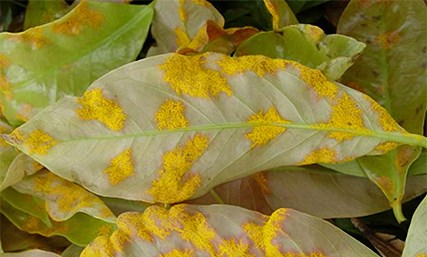
  • Myrtle rust (2010) 
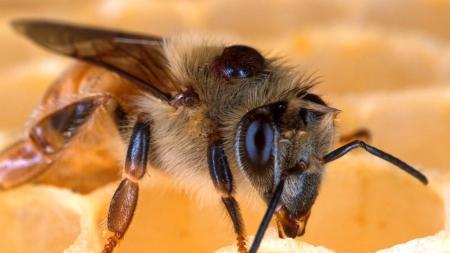
  • Varroa Mite (honeybee parasite) (2022) 
  • Polyphagous shot-hole borer, WA (2025) 
  • Avian influenza H7 variants 

Close-up of a honeybee on a honeycomb surface, showing fine hairs on the body and translucent wings, with a small reddish-brown varroa mite attached to the bee’s back.

Varroa mite is an invasive parasite that affect honeybees. They can kill bee colonies if untreated and are detrimental to Australia’s honey producers. Source: Outbreak.gov.au Varroa mite (Varroa destructor) | Outbreak  

Hash

Preparedness measures for plant and animal outbreaks include maintaining good biosecurity practices at potential points of entry, and on agricultural properties, revising and regular testing of plans, the inclusion of exotic animal and pests in emergency management plans, and building community resilience through community-based resilience initiatives.  

There are a range of emergency response plans (eg AUSVETPLAN, PLANTPLAN) that are in place to deal with pest and disease outbreaks. They set out a preferred approach to managing the outbreak and are agreed by governments and industry bodies.  If a pest or disease bypasses biosecurity measures, the Australian Government will activate its Biosecurity Incident Management System (BIMS) to coordinate national outbreak responses. BIMS supports state, territory and industry responses. 

Prepare, plan and stay safe

When travelling overseas, be aware that certain foods, souvenirs and soils can contain biosecurity risks for Australia. The Department of Agriculture, Fisheries and Forestry provides information on how to keep Australia safe when you return home.

When travelling interstate, each state and territory has its own biosecurity procedures and protocols to keep its own environment safe.