


Finding rhythm in disaster resilience
Jazz and disaster resilience might not seem like an obvious pairing, but there’s more common ground than you’d expect.
Jazz is a diverse music genre that emerged from the African American communities in New Orleans – a music born of survival, collective strength, and creativity under extraordinary hardship, and at its heart, is a story of resilience. It’s characterised by strong anchoring rhythms, complex harmonies, swinging melodies, and great improvisational talent.

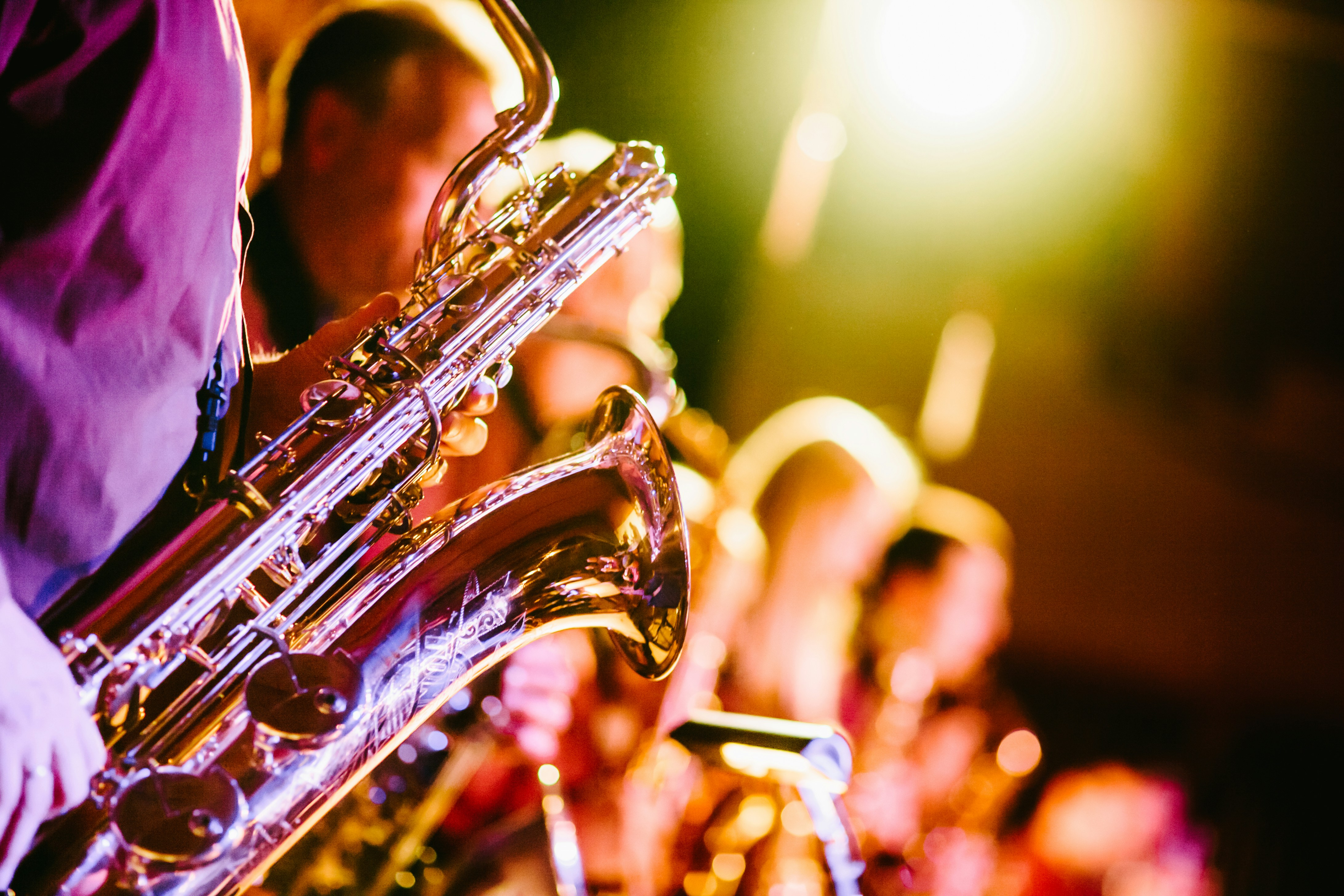
In the aftermath of Hurricane Katrina in 2005, jazz played a meaningful role in recovery. Traditional Second Line funeral marches helped communities farewell loved ones, while events like Mardi Gras were important expressions of culture and resilience. These traditions are explored in Tom Piazza’s great book, Why New Orleans Matters, and the TV series Treme. Treme is well worth watching, both as a powerful look at disaster recovery and for its outstanding soundtrack.
Following Katrina, the Jazz Foundation of America relocated more than 1,000 musicians, securing housing, paid gigs, and replacement instruments. And after Hurricane Sandy in 2012, they were back doing the same. In New Orleans, recovery and music were unified efforts.
There’s an instructive parallel in how jazz actually works in practice. Great ensembles tend to be small and flexible, anchored by a strong rhythm section. On Miles Davis’ Kind of Blue – widely regarded as one of the greatest jazz albums ever recorded – much of the attention falls on the soloists: Miles, Coltrane and Cannonball Adderly. The album, however, is held together by Bill Evans on piano, Paul Chambers on bass, and Jimmy Cobb on drums, who provide the foundation, direction, and groove from which everything else flows.
Improvisation is often misunderstood as making it up as you go. In reality, it is built on practice and knowledge that informs instinct. The greatest jazz improvisers have a deep understanding in music theory and technique – they know what works, and why. Soloists do not operate alone; they riff off other soloists, and to the rhythm section beneath them. At its core, it is a team effort built through listening, collaboration, and flexibility.
It’s a useful way to think about disaster resilience work: a strong team provides the foundation on which everything is built. Clear objectives and intended outcomes act like the rhythm section, setting the baseline and direction for the work.
From there, flexibility becomes essential. As new needs and situations emerge, the team can ‘riff’ where they experiment and adapt in real time. Different people take on different roles: some keep things steady and grounded, like the drummer or bass player, while others bring a more improvisational flair, like the pianist or guitarist. At key moments, certain individuals step forward as soloists, leading the way and shaping the direction of the project.
There is no conductor, a leader will set the tone and direction of the work, and each musician holds responsibility for their own part. It is a decentralised structure that only works when communication is constant and listening is active. Jazz is not unlike effective disaster responses across agencies, sectors, and communities – when connections hold, the response flourishes.
Everyone involved needs a good understanding of the principles of disaster resilience, along with practical knowledge of what works – and what doesn’t. This is where the AIDR Knowledge Hub can help you.
Explore John’s World Jazz Day Spotify playlist: AIDR World Jazz Day - playlist by John Richardson | Spotify
Listen to live jazz here: ABC Jazz live player - ABC listen